By: Yu Qing
In today’s film and television industry, intimacy and vulnerability on screen are increasingly recognized as important elements for authentic storytelling. As an Intimacy Coordinator and Screenwriter based in Los Angeles, Yaxin Zheng works at the intersection of creativity and care, striving to ensure that stories are told with both emotional truth and professional safety.
Her journey began in a college theater course, where she first noticed how actors often felt unprotected during intimate scenes while directors struggled to balance authenticity with responsibility. Through further involvement in her theater club and studies in psychology, she developed a perspective that blends performance, consent, and emotional support—an approach that has shaped her career.
As an intimacy coordinator, Yaxin choreographs and facilitates intimate or emotionally vulnerable scenes. Her process includes one-on-one check-ins with actors, consent-based practices, and detailed collaboration with directors.
“The value of intimacy coordination is not about replacing directors or actors,” she explains, “but about offering a bridge. I pay attention to what is unsaid—the hesitation of an actor, the uncertainty of a director—and try to turn that into collaborative clarity.”
This focus on both the visible and invisible dynamics of performance distinguishes her work. She considers not just the physical placement of actors, but also what gestures convey about relationships—whether vulnerability, tension, or desire.
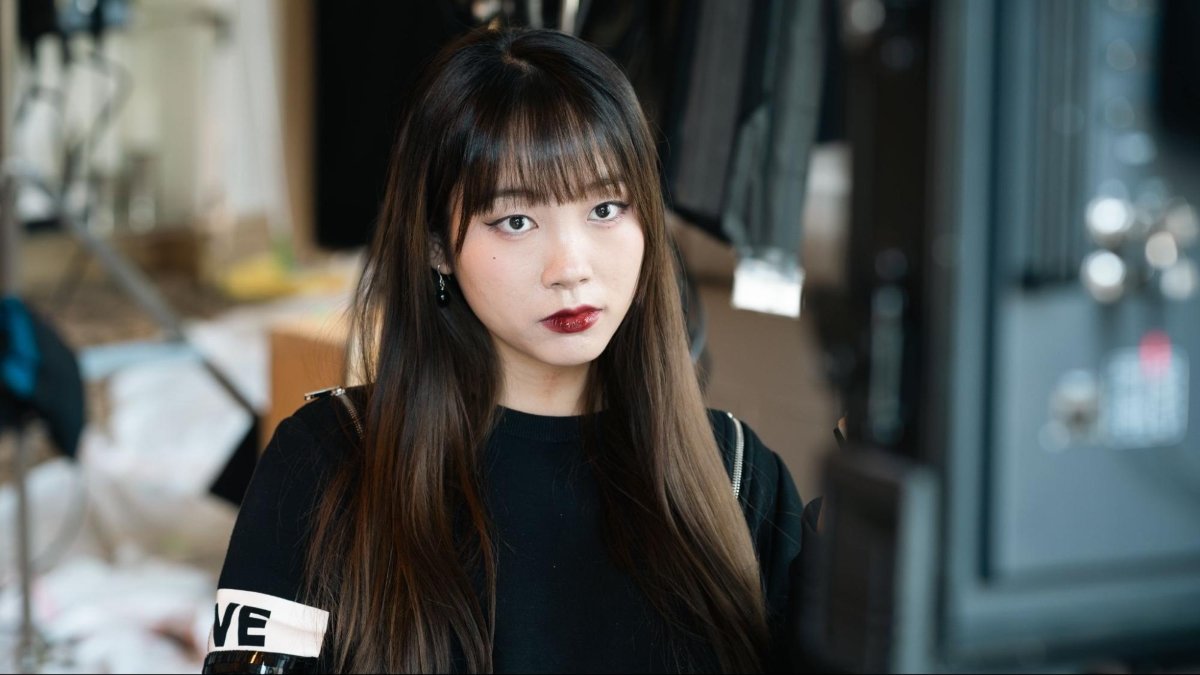
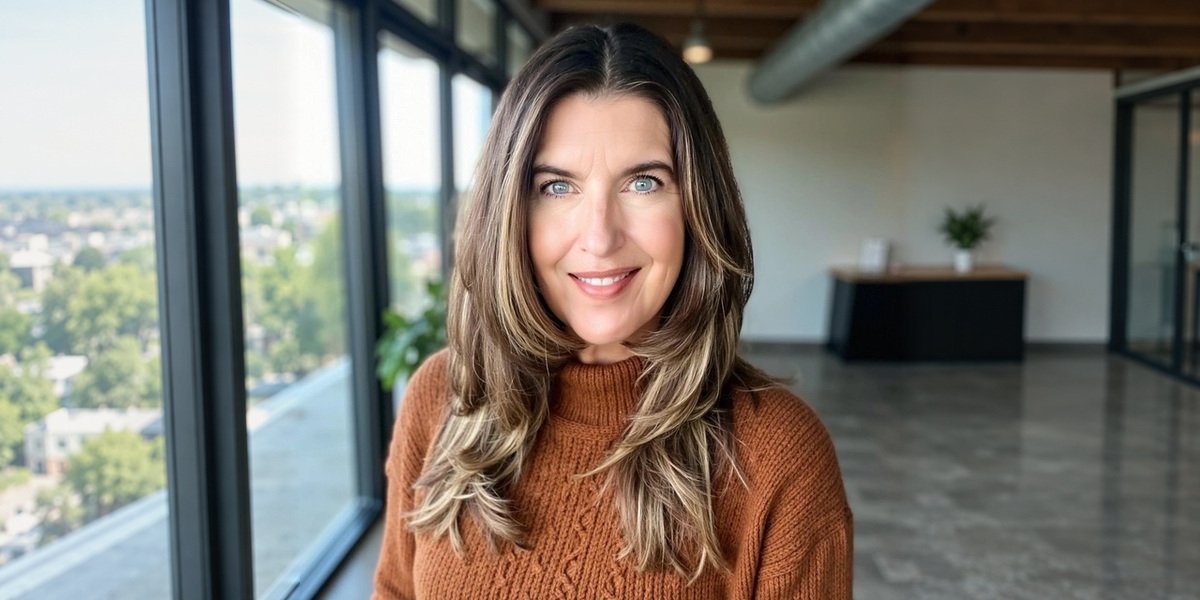
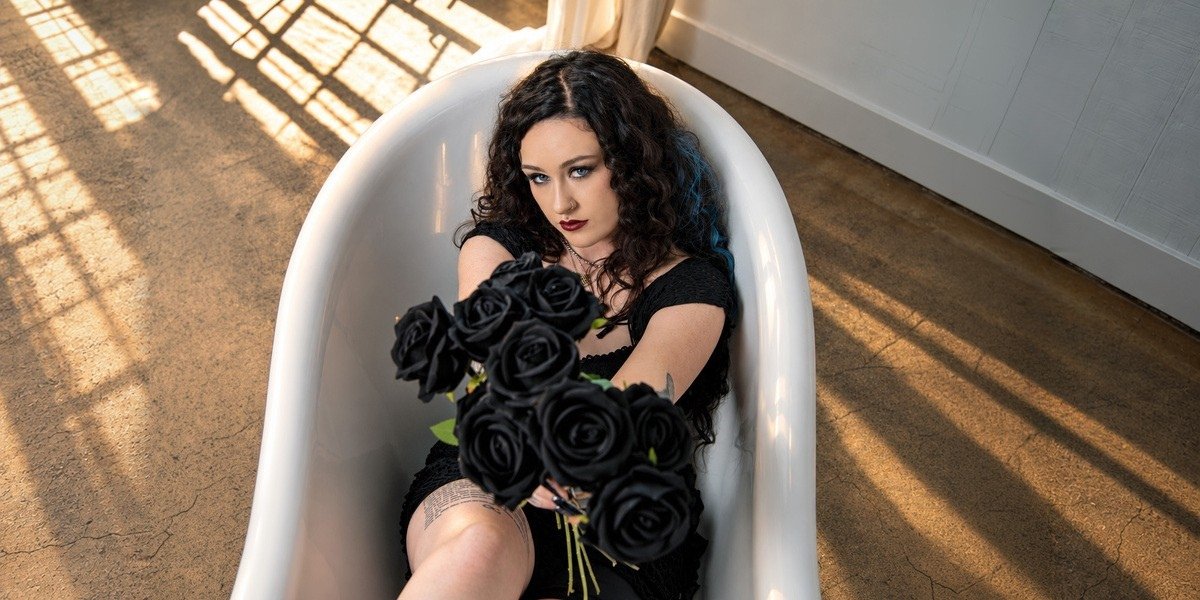
Photo Courtesy: Yaxin Zheng
In addition to her on-set role, Yaxin is also a screenwriter. Her writing centers on female perspectives, social issues, and the complexities of human nature. This dual role allows her to bring narrative sensitivity to her intimacy coordination work, and vice versa.
Her involvement in Single Malt Sadness, directed by Xiaohan Zhang, reflects this synthesis. As the film’s intimacy coordinator, she helped shape the emotional tone of its most delicate scenes. The film was recognized at SHORT to the Point and selected by festivals including the Mannheim Arts and Film Festival (Honorable Mention), Golden Short Film Festival, and the Broadway International Film Festival Los Angeles. These experiences reinforced her belief that cinema is not only visual storytelling but also a dialogue between culture, gender, and emotion.
Looking back, Yaxin recalls that one of her biggest challenges was finding her voice in a cross-cultural environment. As an East Asian woman, she often felt pressure to remain quiet or adapt. Writing and later intimacy coordination gave her the tools to overcome this, helping her step into her voice and embrace discomfort as a pathway to growth.
That personal journey now shapes her mission: to create spaces where actors and collaborators feel safe, respected, and heard.
As intimacy coordination becomes more widely recognized in global film production, Yaxin hopes to bring her experience back to East Asia and help establish culturally sensitive practices. She emphasizes that the role is not just about “avoiding risk” but about “expanding creative possibility.”
Her greatest reward, she notes, is seeing how safety enables actors to immerse themselves fully in their roles, while providing directors with more freedom to explore storytelling. “For me, art and safety are not opposites—they can actually support one another.”
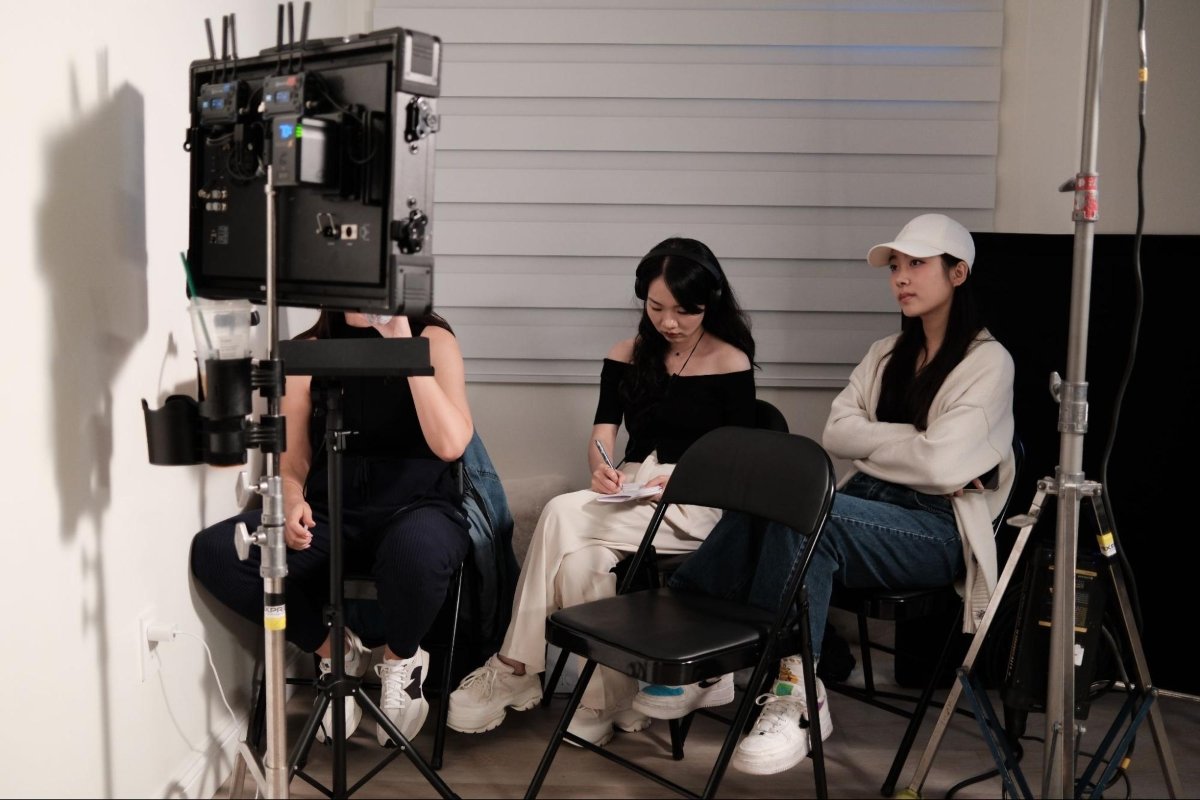
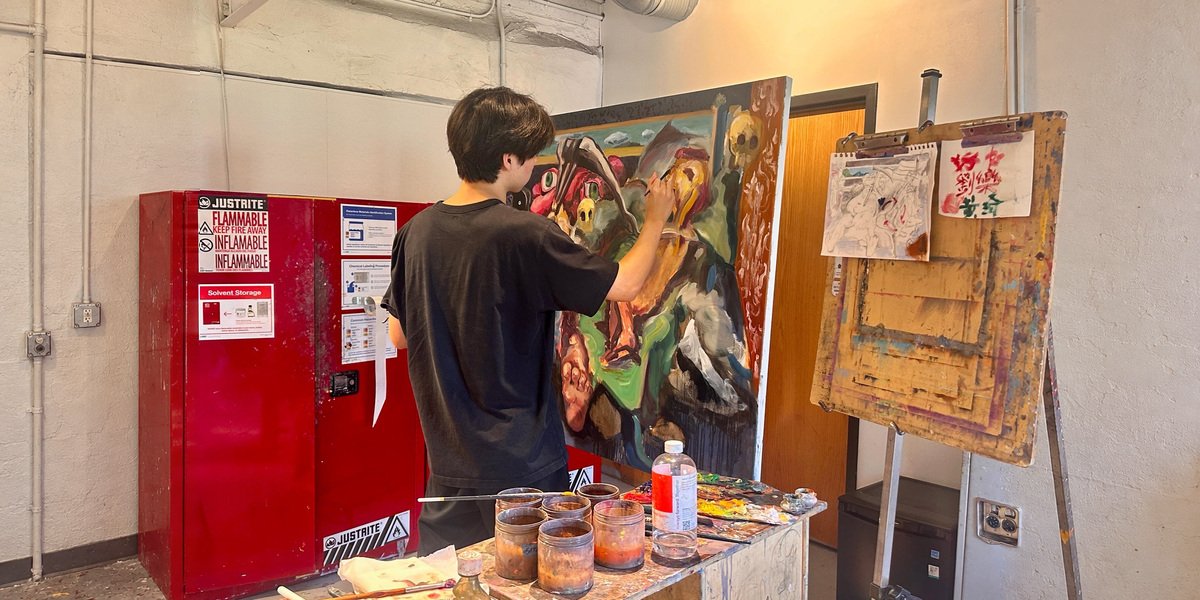
Photo Courtesy: Yaxin Zheng
Looking ahead, she hopes to continue bridging her work as a writer and as an on-set coordinator. “My mission is to protect vulnerability while honoring truth. The most powerful stories often emerge from environments where people feel truly safe.”
This is the message she hopes to share with audiences and collaborators alike: authentic storytelling begins with a respectful environment.