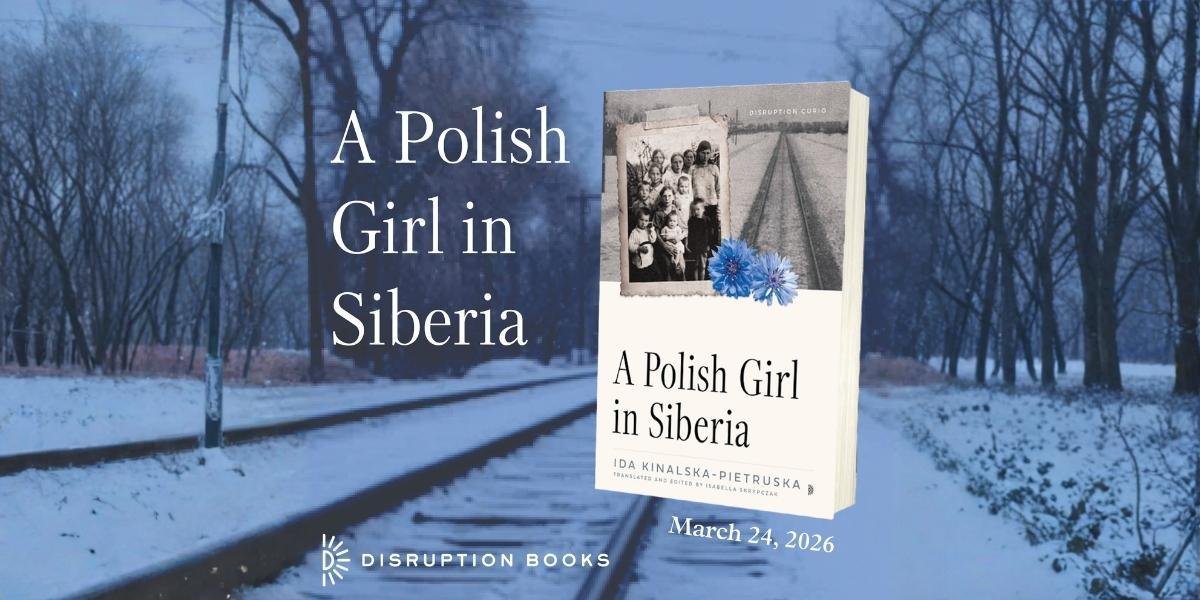

Some stories refuse to stay silent. They pulse through bloodlines, waiting for the right person to carry them forward. For Isabella Skrypczak, that moment arrived when she began translating her grandmother’s memoir from Polish into English.
Isabella’s Journey: From Family History to Storytelling
The book, A Polish Girl in Siberia: Surviving and Transcending Exile, is the memoir of Dr. Ida Kinalska-Pietruska. In April 1940, six-year-old Ida woke to Soviet soldiers pounding on her door. Within hours, she and her mother were deported to remote Siberia under Stalin’s brutal regime. What followed was a harrowing tale of survival: foraging for food in subzero temperatures, battling typhoid fever, and clinging to hope during years of unimaginable hardship.
Ida published her memoir in Polish in 2011. The book gained national attention, but for Isabella, the story had always been more than headlines. It was the backdrop of every summer she spent in Poland, the quiet strength she sensed in her grandmother’s presence, and eventually, the key to understanding her own family history.
The Creative Artistry Behind Isabella’s Translation
Translation, at its best, is an art form. It requires the translator to become a vessel, holding space for another person’s voice while finding the precise words to carry meaning across linguistic and cultural divides. For Isabella, translating her grandmother’s memoir meant honoring the cadence of Ida’s storytelling, the dry wit of a survivor, and the tender moments of humanity that shone through even the darkest passages.
There’s a particular intimacy to translating a family member’s work. Isabella didn’t just know Polish; she knew her grandmother’s voice, her pauses, her way of making the unbearable somehow bearable. That knowledge infused every page with something professional translators might never capture: the texture of lived relationship.
The English version, published by Disruption Books, has been compared to Anne Frank’s diary for its unflinching honesty. Beyond historical significance, the book demonstrates what happens when dedication and reverence for family history meet the craft of translation.

Preserving Voice Across Languages
One of the most challenging aspects of literary translation is preserving voice. A memoir is not merely a sequence of events; it is a personality rendered in prose. Ida’s voice carries the perspective of a child confronting adult horrors, the retrospective wisdom of a woman who became a pioneering endocrinologist, and the sensibility of someone who survived the unsurvivable.
Isabella approached this challenge with meticulous attention. Translating her grandmother’s memoir demanded deep listening: attending not just to what Ida wrote, but to what she meant and felt. The result is a translation that reads with immediacy. English-speaking readers encounter Ida’s story not as a distant historical account, but as a vivid narrative that pulls them into the cattle cars, the frozen forests, and the small acts of kindness that made survival possible.
Isabella’s Message: Honoring Stories Through Translation
Isabella’s work illuminates a profound truth: creative expression can preserve memory and legacy. Translating her grandmother’s memoir required navigating inherited family history and transforming it into a form that others could experience and understand. The process created a bridge across generations, bringing Ida’s story to a wider audience.
The Legacy Continues
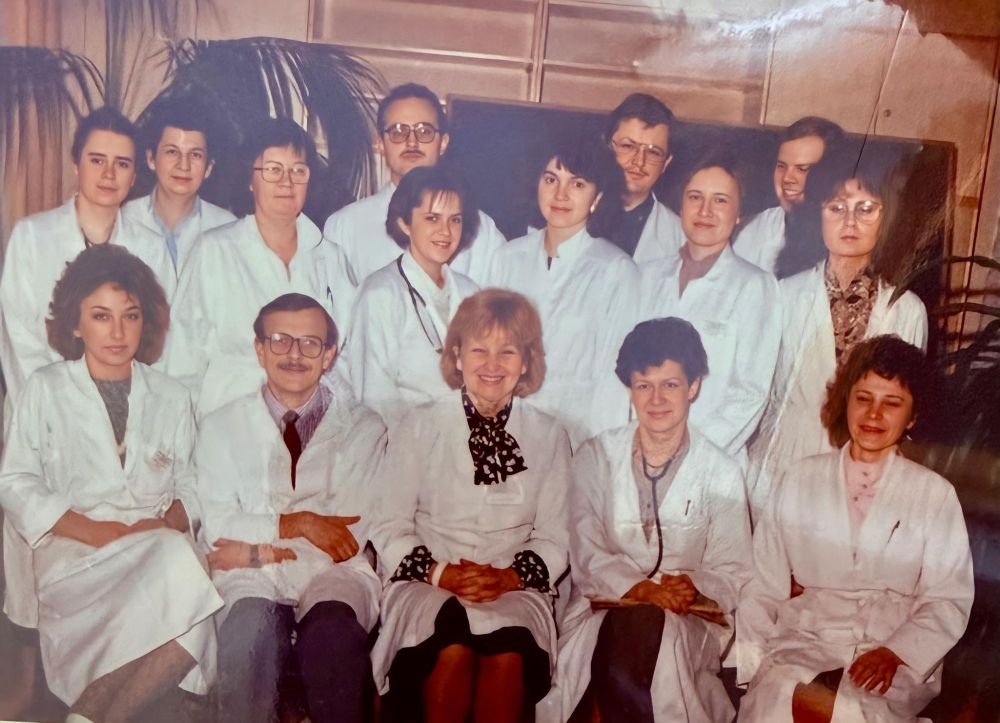
Dr. Ida Kinalska-Pietruska’s story is one of remarkable resilience. She founded the School of Endocrinology and Diabetology in Białystok, authored over four hundred publications, and received Poland’s second-highest civilian honor multiple times.
Perhaps her most enduring legacy is the granddaughter who sat with her words and carried them across the ocean of language. Through Isabella’s translation, Ida’s story now belongs to the English-speaking world: a gift of memory, courage, and the quiet power of human resilience.