Diversity and inclusion are intertwined ideas, yet they are not interchangeable. Diversity refers to an entity’s representation or make-up. Inclusion refers to how successfully diverse groups of people’s contributions, presence, and opinions are appreciated and incorporated into an area. A diversified setting with various genders, colors, nations, sexual orientations, and identities, but only the viewpoints of specific groups are respected or have any authority or influence, is not inclusive.
Every employee should feel supported and involved in all aspects of the workplace for it to be diverse and inclusive regardless of who they are or what they do for the company. Inclusive workplace culture does not only help acquire a diverse range of talent, but it will also help maintain the diverse talent. Inclusion becomes increasingly vital as an organization’s diversity grows. Inclusive efforts must concentrate on making every employee, regardless of background, feel appreciated and trusted. High levels of workplace diversity and inclusion are connected with higher productivity, creativity, and employee well-being. Still, much too little is being done to encourage them, particularly among minority groups.
Most businesses implement change to create commercial benefits. Many of those undertaking diversity and inclusion efforts cite data demonstrating that organizations with more diverse teams outperform those with a more homogeneous workforce. Then again, it’s also not a one-size-fits-all strategy, which is why it’s critical to share best practices and be open to trying new ideas.
Diversity and inclusion are broad concepts. Employers have struggled to make room for even the largest, most easily accommodated gatherings. While one might argue that these groups deserve equal access to opportunity, disabled people, particularly autistic and neurodiverse people, are notably mistreated by today’s job market.
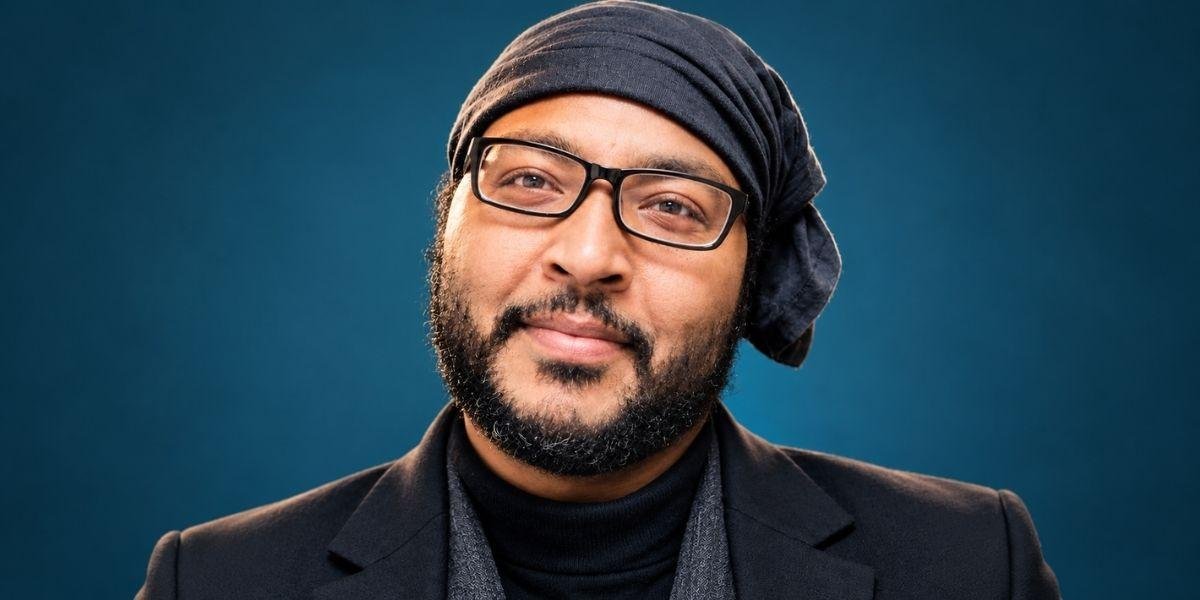
Michael Bach has done a fantastic job of providing practical insights in this area. In an effort to address this issue, the book “Birds of All Feathers: Doing Diversity and Inclusion Right” offers examples of some practical methods for improving diversity and inclusion in businesses. Leveraging simple and lucid language, Michael provides a sound strategy for enhancing inclusion, diversity, and equity in the workplace. The terminology, point of view, and course of action are all excellent.
Birds of All Feathers: Doing Diversity and Inclusion Right
Bach, a well-known thought leader, and authority in the fields of inclusion and diversity, equity, and accessibility, presents in his work a comprehensive grasp of cutting-edge techniques in a real-world setting. “Birds of All Feathers” highlights the value of inclusion and diversity in raising employee engagement. It adopts a holistic stance toward diversity, asking readers to see the need to integrate it into all areas of a business and highlighting its capacity to increase profits when backed by leadership and principles.
The book underlines the significance of inclusion and diversity in fostering employee engagement. It presents a comprehensive view of diversity, urging the reader to see the value of incorporating it into all facets of a business and emphasizing its ability to boost productivity when backed by leadership and ideals.
Bach is one of North America’s most influential thought leaders on inclusion and diversity. His book “Birds of All Feathers” shows that he advances the conversation with valuable suggestions and tactical advice for navigating the D&I environment to exceptional strategic success. The idea that diversity and inclusion are nothing more than just “the right thing to do” is contested by Bach. He has shown how strategically important it is to drive D&I in every type of company by fusing his subject matter expertise with instructional business scenarios.
Inclusion leads to better productivity
For everyone to feel safe, secure, and at ease, in order to foster acceptance, productivity, and respect, the LGBTQ+ community must be included in society in general and the workplace in particular. The LGBTQ+ group has made a significant contribution to society today, and we cannot ignore their efforts to find common ground in an inclusive workplace. Employee engagement and productivity are higher when they feel involved. And inclusive employers are more prosperous. Inclusion is an intelligent tactic for assuring organizational growth.
Inclusion without diversity
Inclusion without diversity may result in an inclusive culture, but a lack of diversity of thought; diversity without inclusion can cause a workplace to become exclusionary and even hostile. Both components of diversity and inclusion are crucial. Many businesses are neglecting the inclusion component as they begin to emphasize diversity more. Staff will feel excluded and unsupported without a committed effort toward both inclusion and diversity.
Comfortable place to inhabit
In “Birds of All Feathers: Doing Diversity and Inclusion Right,” Michael Bach discusses his insights on what inclusion and diversity among persons with various moral and ethical systems mean in contemporary society. He reflects on methods companies can apply to bring about change, promote respect and equity, and ensure every employee has a place they can call a comfortable place to inhabit.