
By Jim Manley
There is something irresistible about imagining great artists before history embalmed them. Before the textbooks, before the marble busts, before the symphonies became shorthand for genius. What were they like when the wigs came off, and the ambition, insecurity, and ego remained?
That question sits at the center of The Vienna Lessons, the new world premiere play by playwright Jack Canfora now running at New Jersey Repertory Company. Directed by Evan Bergman, the production imagines a meeting between two towering composers, Wolfgang Amadeus Mozart and Ludwig van Beethoven, during a brief moment in Vienna in 1787, when Mozart was struggling financially, and Beethoven was still a teenage prodigy eager to study under him.
Historians largely agree the composers did meet in some form. What happened during that encounter, however, remains unknown. For Canfora, that uncertainty became fertile dramatic ground.
“I first read about their meeting during the pandemic,” Canfora says. “And since the pandemic was the perfect time to plunge down rabbit holes, I did so.”
The more he researched, the more fascinated he became by the contrast between the two men. Mozart was dazzling, impulsive, charismatic, and increasingly desperate for money. Beethoven was disciplined, serious, and burning with confidence. The possibility of those temperaments colliding offered Canfora more than a history lesson. It offered a study in ambition and artistic identity.
“The idea of these two titanic artists, so completely differing in temperament, meeting in passing fascinated me,” he says. “The more I delved into their lives and work, the more the idea of exploring what might have been had they spent more time together took off on its own.”
That sense of possibility shapes the production. Rather than treating Mozart and Beethoven like untouchable icons, The Vienna Lessons leans into their humanity. There are flashes of wit, insecurity, arrogance, rivalry, and vulnerability. In many ways, the play asks audiences to reconsider the idea of genius itself.
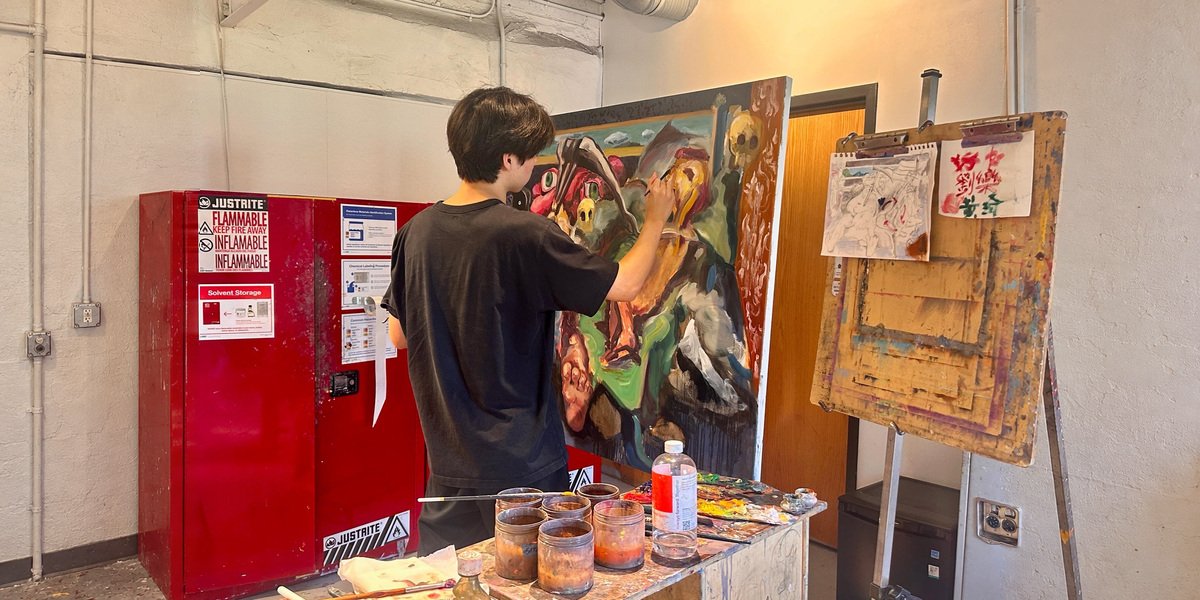
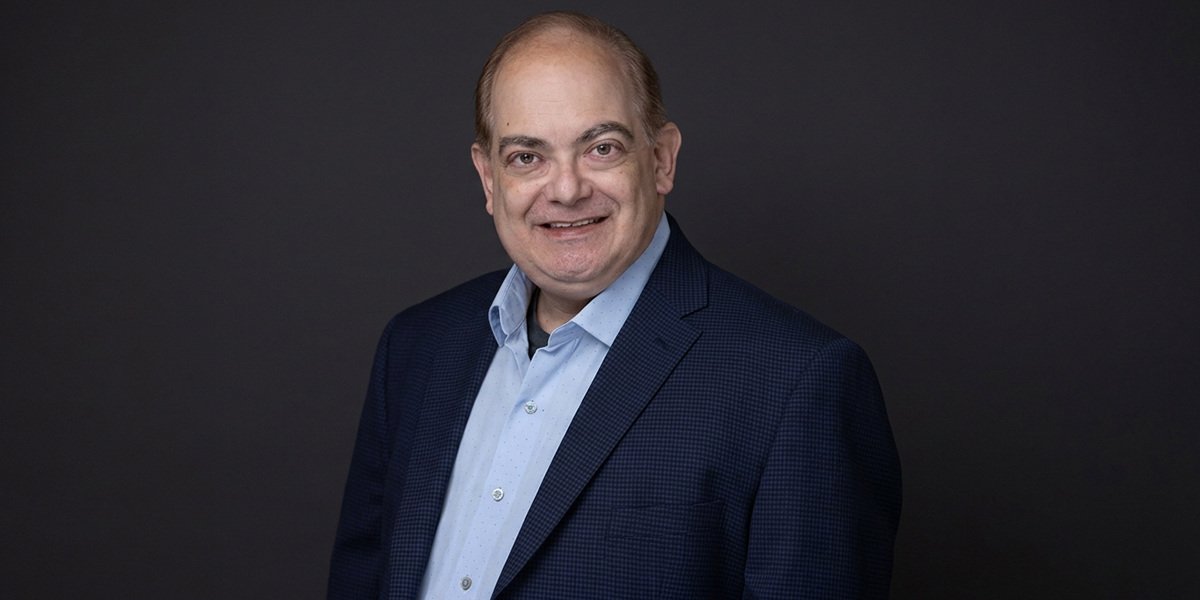
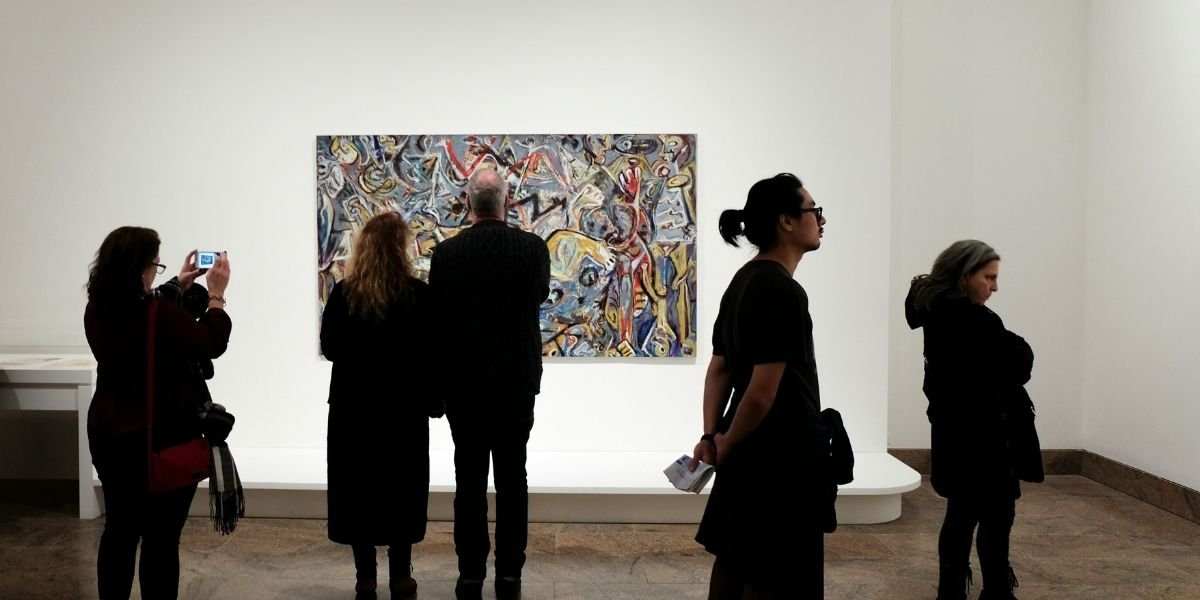
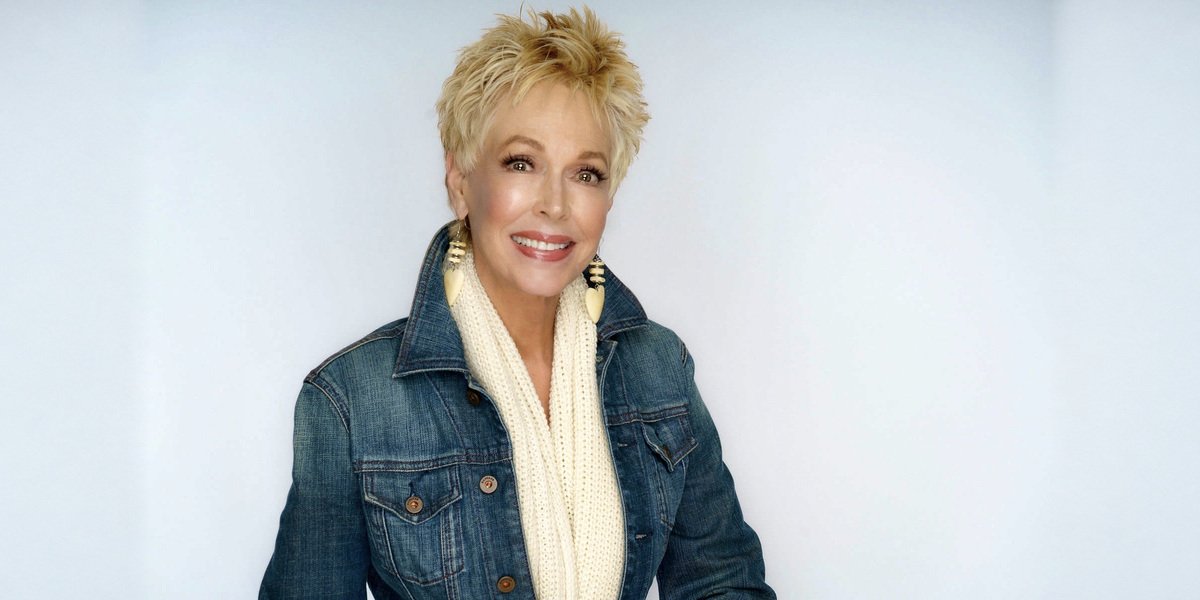
Rehearsal images from The Vienna Lesson, featuring Quentin Chisholm, Sandy Clancy, and Jesse Kodama
“I think one of my main jobs was to not write them as if they were carved out of marble,” Canfora says. “The amazing and interesting thing to me is that they were deeply human but produced work that transcends what we think people can do.”
That approach resonates strongly throughout the production, particularly in a cultural moment that often seeks to demystify greatness rather than worship it. The play does not diminish these figures. Instead, it places them closer to the audience.
“It’s because they were so human that they could write music that speaks to us so excitingly and movingly,” Canfora says with a laugh. “Thanks for coming to my TED Talk.”
For SuzAnne Barabas, Artistic Director of NJ Rep, that emotional accessibility made the play an ideal fit for the company’s long-standing commitment to bold new work.
“We did a reading of the play and it was magical,” Barabas says. “I knew The Vienna Lessons needed to be shared.”
Barabas believes the production reflects the kind of storytelling audiences are craving right now: work that honors tradition while refusing to be trapped by it. “The Vienna Lessons turns the music world upside down,” she says. “This play is funny, irreverent, poignant, and deals with the material in a contemporary way that boldly goes where no Mozart/Beethoven play has gone before.”
Music itself functions almost as another character in the production. Alongside classical compositions by Mozart and Beethoven, composer and musician Jeremiah Bornfield created original music imagining how the composers might have improvised together.
Canfora admits he entered the process with enthusiasm but limited formal knowledge of classical music. “My background is more Lennon and McCartney than Beethoven and Mozart,” he says.
Working with Bornfield helped bridge that gap and expand the play’s musical language. The result is a theatrical experience that blends history with invention while remaining emotionally grounded.
Director Evan Bergman approached the material with a similar philosophy. For him, the challenge was honoring the historical figures while ensuring the production felt alive and immediate. “My first responsibility was to honor the humanity of these iconic figures,” Bergman says. “To move beyond the mythology and find the vulnerable, complicated people underneath.”
At the same time, he resisted turning the production into a museum piece. “Theater cannot function as a museum exhibit,” Bergman says. “A play has to breathe in the present tense.”
That balancing act between humor, emotional conflict, and music became one of the central creative challenges of the production.
“One of the biggest challenges in directing Vienna Lessons has been finding the right balance between humor, emotional intimacy, and the power of the music itself,” Bergman explains. “Music, of course, is the fourth character in the play.”
The production also introduces audiences to a compelling young cast led by Quentin Chisholm, Sandy Clancy, and Jesse Kodama. Chisholm returns to NJ Rep following acclaimed performances in The Bookstore and Make Believe, bringing a grounded intensity to the production. Clancy, making her NJ Rep debut, has built a reputation through both classical and contemporary work, while Kodama arrives fresh off standout regional performances and recent training at the London Academy of Music and Dramatic Art. Together, the trio carries the emotional and intellectual weight of the play while making these legendary figures feel immediate, youthful, and surprisingly relatable.
Ultimately, though, The Vienna Lessons is less interested in historical recreation than emotional recognition. The play asks what happens when extraordinary talent collides with ordinary human longing. Beneath the powdered wigs and immortal music are people wrestling with ego, fear, purpose, and connection.
Or, as Canfora puts it, “I hope people feel they’ve spent time with all three fascinating people, not just noteworthy historical figures.”
The Vienna Lessons runs June 4 through June 29, 2026, at New Jersey Repertory Company, located at 179 Broadway in Long Branch, New Jersey. Opening night is June 6 at 7 PM. Performance schedule is Thursdays at 7 PM, Fridays and Saturdays at 2 PM and 7 PM, and Sundays at 2 PM. Tickets are available by visiting New Jersey Repertory Company or by calling 732-229-3166. Additional information about the production and the company’s upcoming season can also be found at NJ Rep Official Website.