
Film and television productions with horses rely on performers who can handle physical risk and technical accuracy. Training for western riding, jumping, and Mounted Movement takes years, and productions often cast actors who have ridden before as a way of minimizing the use of doubles and safety concerns. Industry safety guidelines from stunt associations and animal handling groups address the fact that inexperienced riders pose a greater risk to performer and animal safety. In smaller regional production markets, such as the Midwest, where budgets are lower and shooting schedules are tighter, performers with a practical riding background can become particularly valuable for scenes of horseback action, training sequences, or ranch settings.
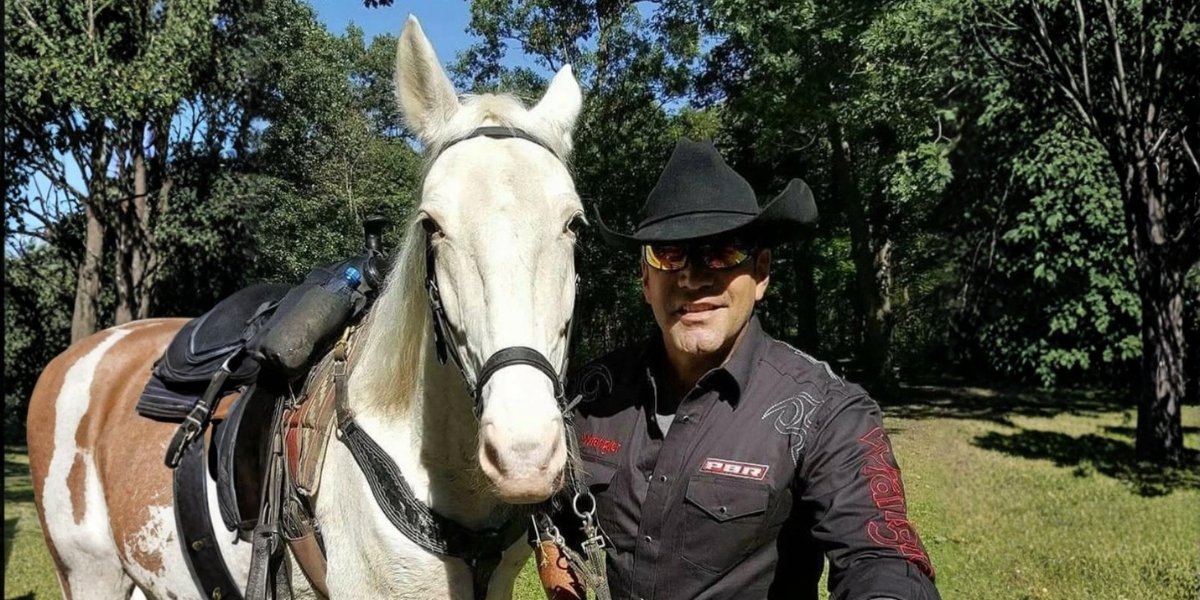
John David Castilla’s involvement in equestrian work began long before his entry into acting. His riding experience started at age five under the guidance of his father, Jose E. Castilla Sr. This early exposure developed into more than thirty years of experience in Western-style riding, training, and jumping. Such long-term participation in equestrian disciplines is not common among screen performers and often reflects involvement in rodeo or structured riding programs. Over time, Castilla built skills that later became relevant to physical roles in film and television, particularly where authenticity in mounted movement and handling is required.
Western riding and show jumping demand different technical abilities, from balance and posture to rein control and obstacle navigation. Castilla’s training covered both functional riding and performance-based movement, allowing him to adapt to varied production needs. In film settings, horses must respond to cues while navigating lighting equipment, cameras, and crowds, which differs from standard riding environments. Performers who can manage these variables reduce the need for extensive rehearsal and safety delays. This experience placed Castilla in a category of actors who bring specialized physical skills that can be integrated into production planning rather than added as secondary elements.
As Castilla entered the acting profession around 2017, his equestrian background became part of a broader physical skill set. During this period, he also pursued formal acting instruction and stunt-related training, including participation in One and Done Stunt Training. Programs of this type focus on controlled falls, film punching, body rolls, and reaction timing, all of which are used to simulate impact while limiting injury. When combined with mounted movement, these skills allow performers to participate in complex sequences that require coordination between rider, horse, and camera placement.
The integration of equestrian skills into acting work often appears in short sequences rather than full-scale set pieces, particularly in television and independent film. Productions filmed in Chicago and surrounding regions frequently incorporate rural or suburban settings where horseback scenes are used for narrative transitions or background realism. Castilla’s background appearances across multiple television series and films placed him in environments where physical readiness and reliability were valued, even when scenes were brief. While these appearances were not always centered on stunts, the physical demands of long filming days and repeated takes remain relevant to trained performers.
In independent projects, performers with stunt and riding abilities can also support creative planning by reducing the need for additional personnel. Smaller crews and limited budgets often require actors to perform elements that might otherwise be assigned to doubles in larger productions. Castilla’s experience with horses, combined with general stunt preparation, allowed him to meet such demands when projects called for controlled physical movement. This approach aligns with common practices in short films and regional features, where flexibility is often necessary to complete scenes on schedule.
Physical expertise also affects casting decisions beyond direct stunt sequences. Casting directors frequently consider whether an actor can safely perform required actions without extended rehearsal or insurance complications. Riders with documented experience may be favored for roles that involve barns, ranch environments, or rural storylines. While Castilla’s credited roles have focused more on character work, his equestrian background remains part of his professional profile submitted through representation agencies in Illinois and Ohio, where regional productions continue to rely on versatile performers.
Stunt coordination requires cooperation between performers, trainers, and animal handlers. In productions involving horses, certified wranglers typically manage animal behavior, but the rider remains responsible for posture, balance, and responsiveness. Castilla’s familiarity with Western tack and riding cues supports smoother collaboration in these situations. This level of competence can reduce rehearsal time and improve on-set efficiency, particularly when weather or lighting conditions limit shooting windows. Such practical benefits explain why equestrian experience remains relevant even when scenes are short or peripheral to the main storyline.
While Castilla is primarily recognized for acting roles, his continued emphasis on physical conditioning reflects a professional approach to maintaining readiness for varied production needs. Alongside equestrian skills, he maintains training in martial arts, boxing, fencing, and other physically demanding activities, creating a broad performance base. This combination supports casting flexibility across genres, from crime dramas to independent action projects. In regional markets, where actors often compete for diverse roles, physical adaptability can influence long-term participation across multiple production cycles.
The path from early horsemanship to professional screen work illustrates how non-acting skills can shape entertainment careers. Through decades of riding experience and formal stunt training, Castilla developed physical competencies that complement his acting roles rather than replacing them. These abilities contribute to production reliability and support a range of performance demands within film and television. At the center of this work remains John David Castilla, whose equestrian background continues to inform his participation in contemporary screen productions.