
By: Conor Murray
For years, nightlife culture was shaped almost entirely by local communities, word-of-mouth recommendations, and social connections. People discovered the best restaurants, rooftop lounges, music venues, and late-night experiences through friends, local insiders, or small community circles. While social media changed part of that process, a new wave of digital discovery platforms is now transforming how consumers engage with nightlife and entertainment culture across major cities worldwide.
Modern consumers are no longer satisfied with generic event listings or heavily commercialized advertisements. Instead, people increasingly seek personalized experiences that align with their interests, lifestyle, and social habits. This shift has created significant opportunities for digital platforms that focus on entertainment discovery, nightlife culture, and real-time local experiences.
One of the biggest drivers behind this trend is the growing importance of experience-based lifestyles among younger audiences. Millennials and Gen Z consumers often prioritize experiences over material possessions. Dining experiences, live music events, nightlife venues, and social gatherings now play a major role in how people spend their leisure time. As a result, the entertainment industry is becoming increasingly dependent on discoverability and digital visibility.
This evolution has also created new challenges for nightlife businesses and independent event organizers. Competition for audience attention has become more intense than ever before. In large urban markets, thousands of venues, bars, clubs, lounges, and entertainment brands compete daily for visibility across social media platforms and search engines. Without strong digital exposure, even high-quality venues can struggle to reach new audiences.
To adapt to this environment, many entertainment-focused businesses are investing heavily in digital marketing, creator collaborations, and community-driven audience engagement strategies. At the same time, consumers are increasingly relying on specialized platforms that help simplify nightlife discovery and event exploration within their cities.
Several emerging digital platforms are beginning to address this growing demand by curating nightlife experiences and helping users discover entertainment opportunities more efficiently. Platforms such as LateTown highlight the growing consumer interest in centralized nightlife-discovery ecosystems that combine local experiences, entertainment recommendations, and social engagement into a single accessible platform.
The growth of nightlife discovery platforms also reflects a broader transformation occurring within the entertainment industry. Traditional advertising alone is no longer enough to build long-term audience loyalty. Consumers now place greater value on authenticity, community engagement, and personalized recommendations. Digital ecosystems that successfully combine these elements are becoming increasingly influential in shaping consumer behavior.
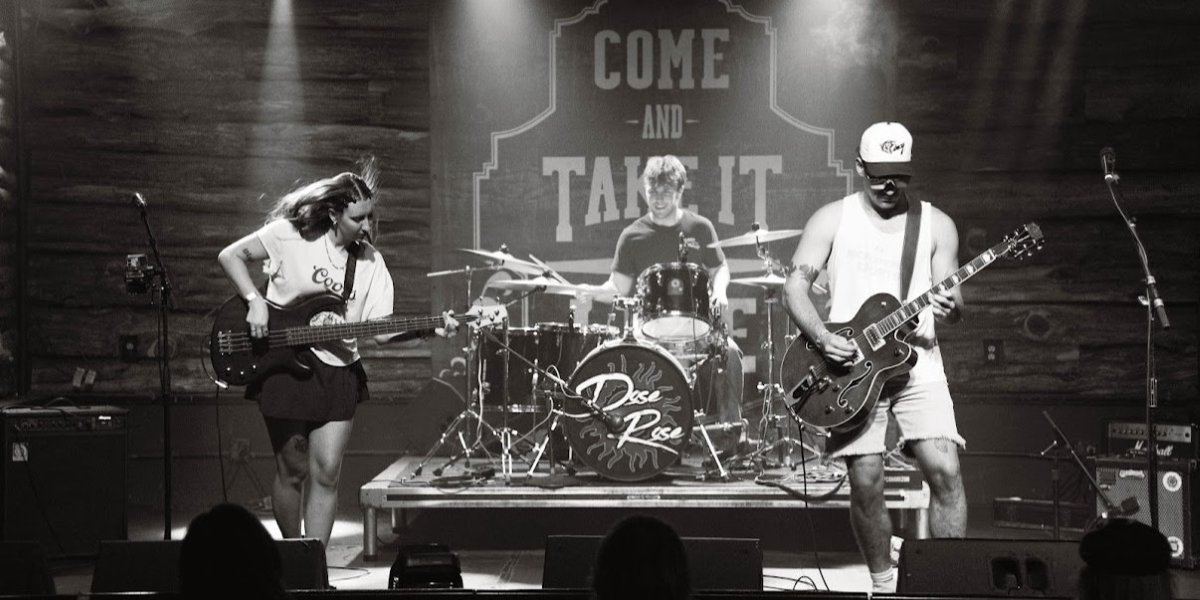
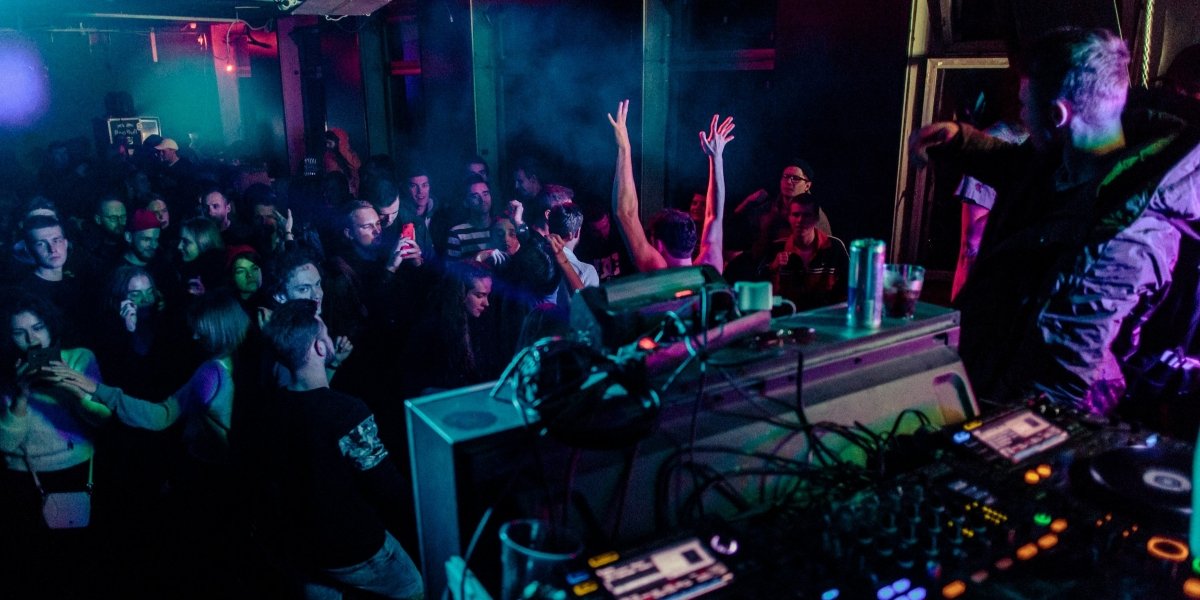
Another important factor driving this shift is the rise of creator-led culture. DJs, music artists, nightlife photographers, influencers, and independent promoters now play a direct role in shaping entertainment trends online. Their audiences often trust peer-driven recommendations more than traditional advertisements. This has encouraged nightlife businesses to build stronger relationships with creators and local communities rather than relying exclusively on conventional marketing campaigns.
Technology is also changing how consumers interact with nightlife experiences in real time. Mobile-first discovery tools, instant event updates, location-based recommendations, and community-driven reviews are helping audiences make faster and more informed decisions about where to spend their time. Convenience and accessibility have become essential factors within the modern entertainment economy.
For entrepreneurs and hospitality brands, these changes present both opportunities and competitive pressure. Businesses that successfully combine strong branding, authentic audience engagement, and digital discoverability are more likely to maintain long-term relevance within increasingly crowded markets. Meanwhile, companies that fail to adapt to evolving digital behavior may struggle to maintain visibility among younger consumers.
As nightlife culture continues evolving alongside technology and digital behavior, platforms that focus on authentic entertainment discovery and localized community engagement may play an increasingly important role in shaping the future of urban social experiences. The intersection of nightlife, technology, and digital culture is no longer a niche trend. It is becoming a defining part of how modern consumers explore entertainment in the digital era.